Healing energy is available to all living beings at all times. Healing energy is the power of love flowing throughout space. Healing energy is non-judgemental and boundless. Joined with wisdom, there is no sickness that can withstand this healing power. Every living being possesses this healing energy and is surrounded by it. We have all seen and felt the power of loving-kindness manifesting without regard to species, gender, race, social class, religion, country, and age. This energy does not care if one is good or bad.
Unfortunately, many living beings lose the conscious connection with the healing power of love and wisdom. The reason for this disconnection are myriad. Trying to track down the causes of suffering can lead us farther away from the cure for it. The root cause of suffering is ignorance and the guiding light of wisdom is the cure. Wisdom joined with compassion for other living beings, love for ourselves & others, peace, and joy are the remedies that are essential for every aspiring healer to utilize and cultivate. The starting place for every massage therapist should be peace. When we cultivate peace in our own being then wisdom, love, compassion, and joy naturally arise within us. Peace of mind allows us to calm the turbulent storm of thoughts or the natural play of the mind. As our thoughts calm down, our emotions come back into balance and we no longer are driven by fear, grasping, selfishness, self-loathing, judgementalism, and a myriad of other negative emotions that are created by the turbulent mind. We are never far away from peace and joy.
Before we ever lay our hands on another living being, or enter into their energy field, we should take the time to center ourselves and go to peace. All living beings are highly sensitive and that which knows in you is identical to that which knows in others. Living beings sense fear, anger, hatred, imbalance, greed, big egos, and countless other negative energy patterns. All of our senses are intimately engaged when another living being enters into our energy field. We need to train ourselves to go to peace, quickly and instinctively, as bodyworkers. The more we train ourselves to go to peace and calm our mind, the quicker the result will arrive. There are many methods of mind training, but the most effective method is connecting that which knows with our breath and body. Mind, breath, and body are inseparable. Taking the time to connect the mind to the breath and body is not hard. What seems to be hard is overcoming the negative programming that we unconsciously follow. We are addicted to the programmed reflexive responses from our past. The way to change these reflexive responses is by creating a new healthier program that serves us and brings us into balance and harmony. The time to start training ourselves is now. Waiting for some perfect time in the future when we have more time, or are in a better environment, will not serve us. Now is the time to take control and practice going to peace. I have been actively engaged with learning and practicing a variety of meditations for almost 50 years. The most effective meditation I have found is what I like to call Sipping Peace. We can do this meditation anywhere and anytime. It is very simple, easy to do, and brings very rapid results. You don’t need to sit on a cushion cross-legged, wait for the perfect time, or take 15-30 minutes out of your busy day. Here are the steps to do this meditation:
SIPPING PEACE
- Pull your awareness to your breath and feel the breath coming into your nose.
- Follow your breath from the end of your nose all the way into your lungs.
- Relax your diaphragm and stomach as you follow your breath.
- Breathe gently and smoothly without a big effort.
- Your first few breaths might need to be deep and expansive, but after the first few breaths just relax and feel your breath spread to every cell of your body. This is, in fact, what is happening as you breathe in; the blood picks up fresh new oxygen and exchanges it for carbon dioxide, thereby helping to restore balance to your body.
- Notice how your thoughts have virtually disappeared as you have taken control of your awareness and shifted your focus to the body, breath, mind trinity. No need to try to do anything with any thoughts. Just let thoughts come and go. These thoughts arise from empty space, are empty themselves, and will dissolve back into empty space. Do nothing with these thoughts. If you find yourself fixating on thoughts, then pull your attention gently back to your breath, body, and mind.
- Take a minimum of ten breaths and then gently let your awareness shift back to the conversation you were having, to the work you were doing, the shouting match you were engaged in, or to shopping online. The point is that you can do this meditation anytime and any place. I tell my massage clients to set timers on their phones so that they will vibrate and remind them, randomly throughout the day, to sip peace. The more you practice doing this meditation, the easier it becomes as you find yourself becoming more peaceful throughout the day.
As massage therapists, we need to constantly check our body position, breath, and peace of mind throughout the massage. Don’t let yourself be distracted by your own inner dialog. Stay focused on staying fully connected to the living being you are working with. Train yourself to scan your breath, body, and mind throughout the session. Learn to ‘drop into’ peace and clear awareness quickly. Your body, breath, and mind are always with you; so stay connected. The more peaceful we become, the easier it is to feel the subtle joy and gentle energy that embraces us all. It is a part of our inner being. A feeling of unity arises as our heart starts to open and gentle caring energy starts to inform all of our actions. We no longer feel out of balance. We can now fully engage with other living beings’ energy fields with caring, respect, full awareness, loving-kindness, and compassion. That which knows in us can now communicate clearly with that which knows in another living being. Our hands and movements can now be guided by the source of all-knowing and energy. We can now be fully aware of what this living being needs and how they are responding to us.
Wim Hof Method of Breathing
PRANAYAMA
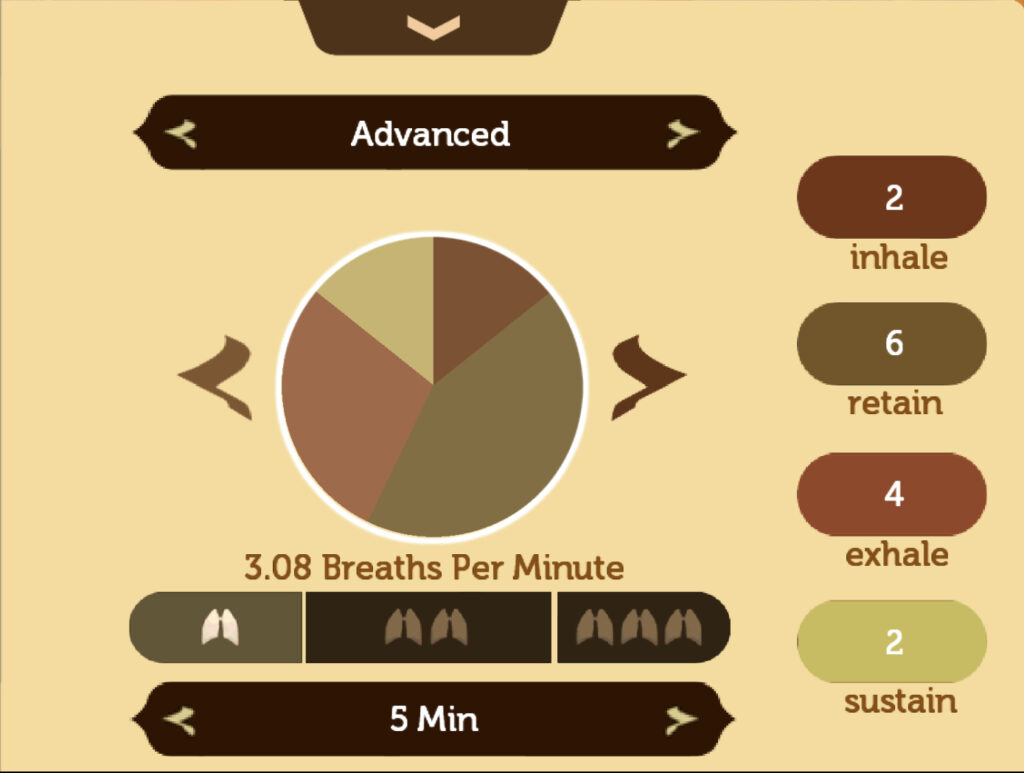
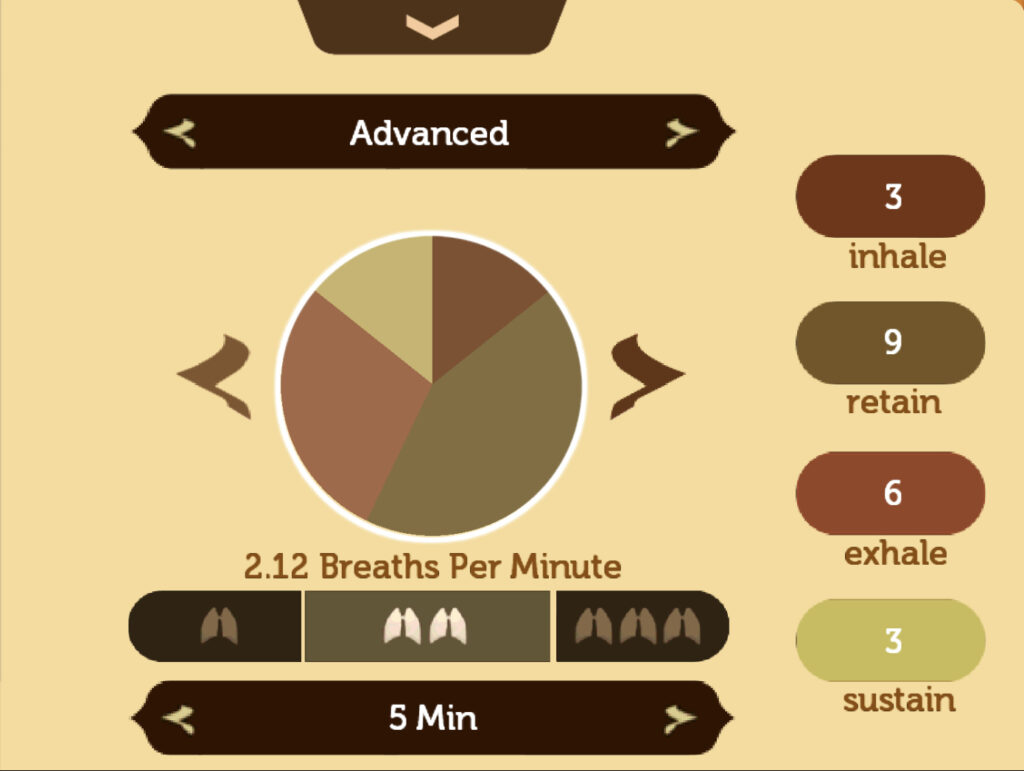
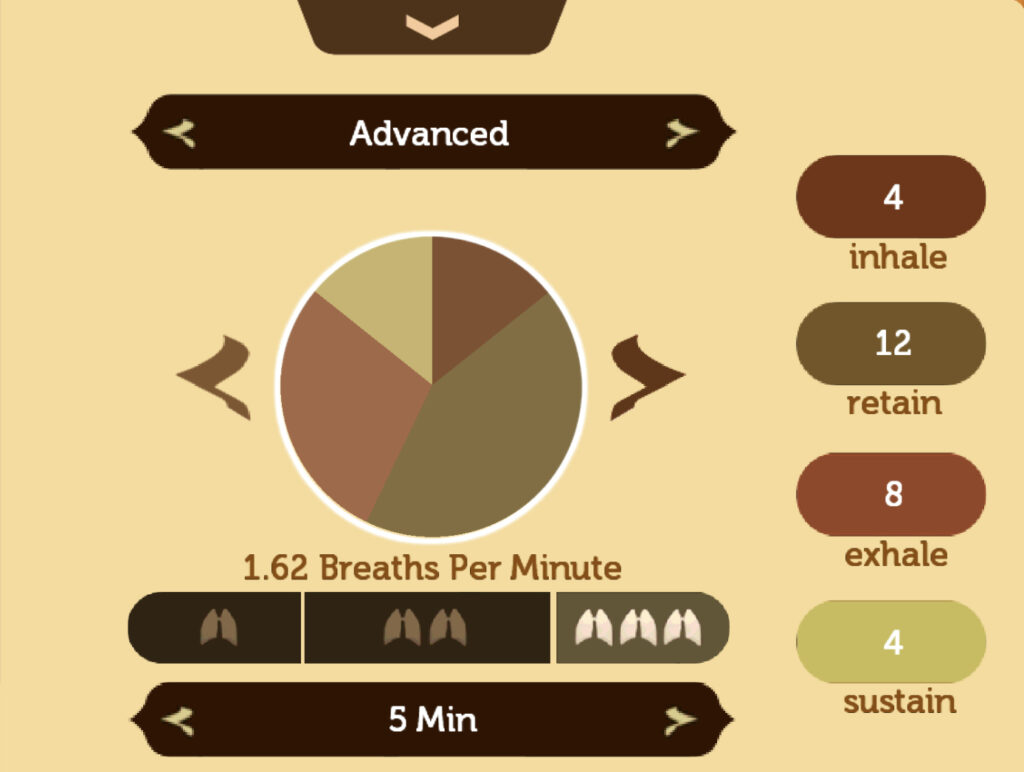
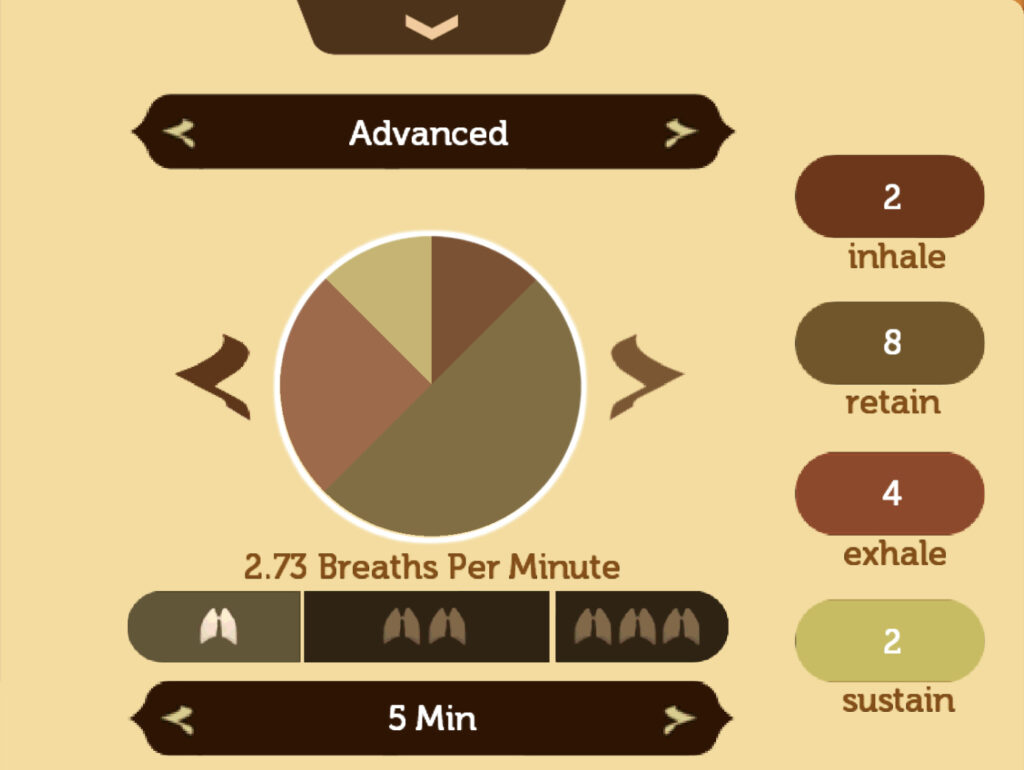
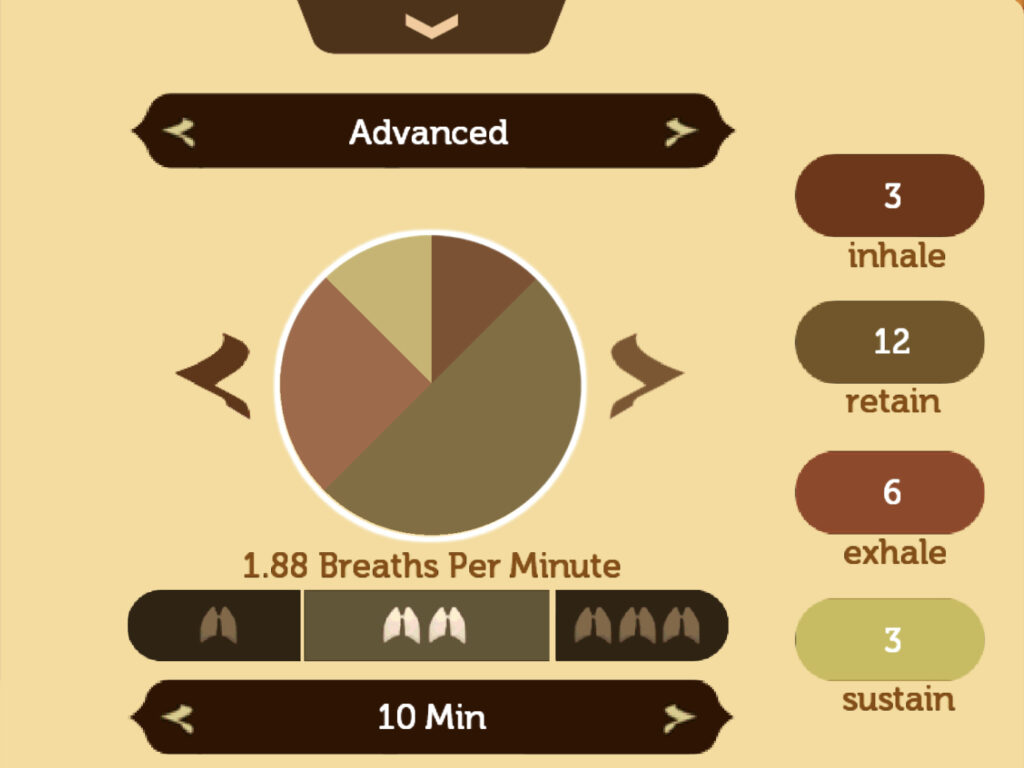
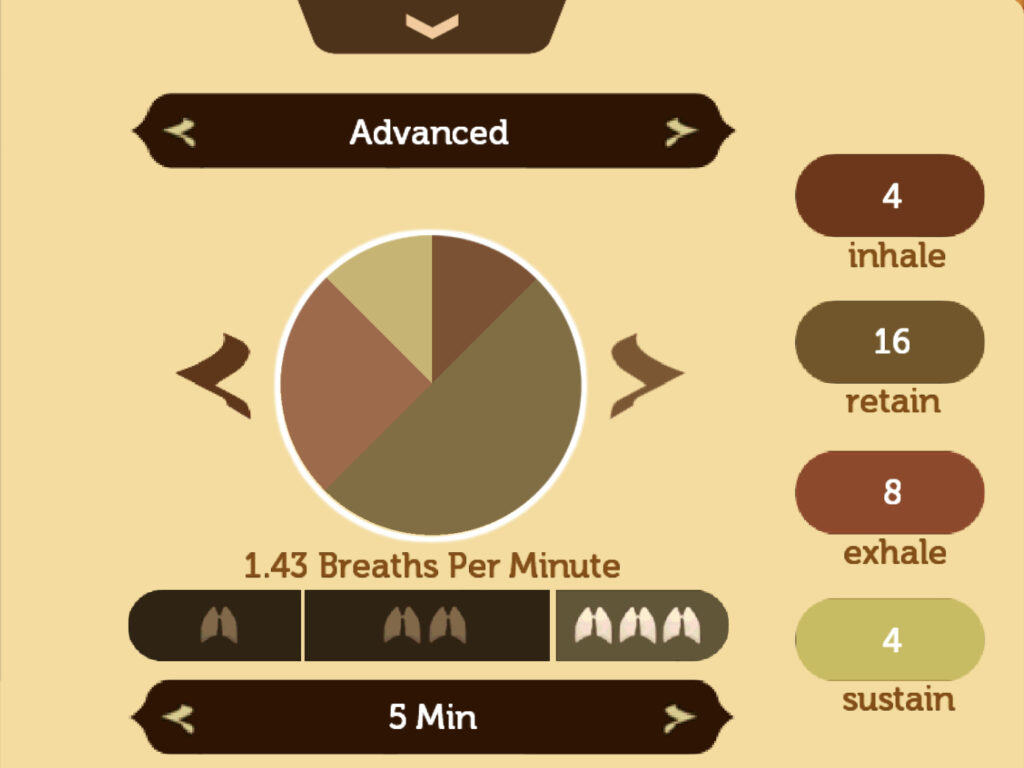
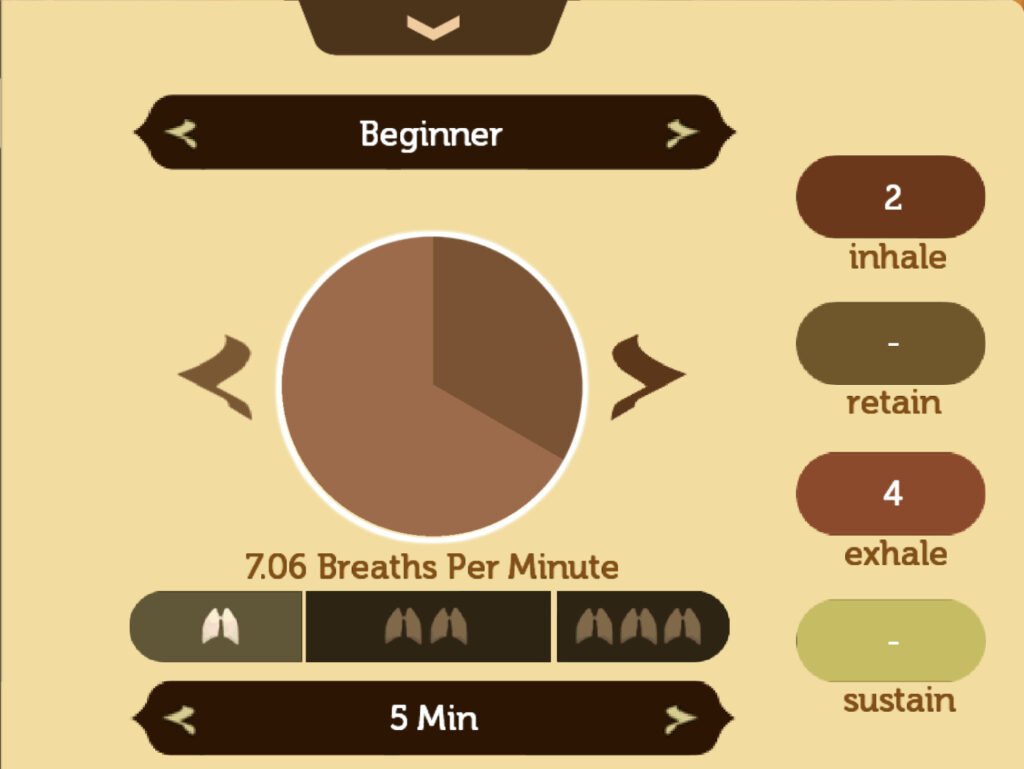
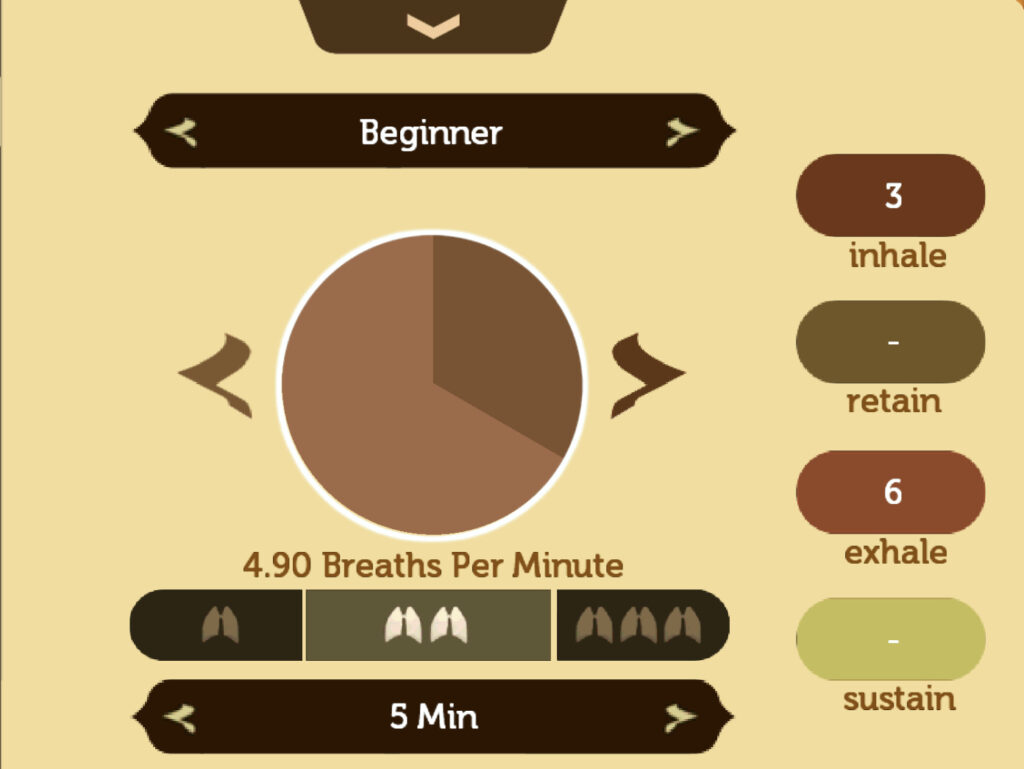
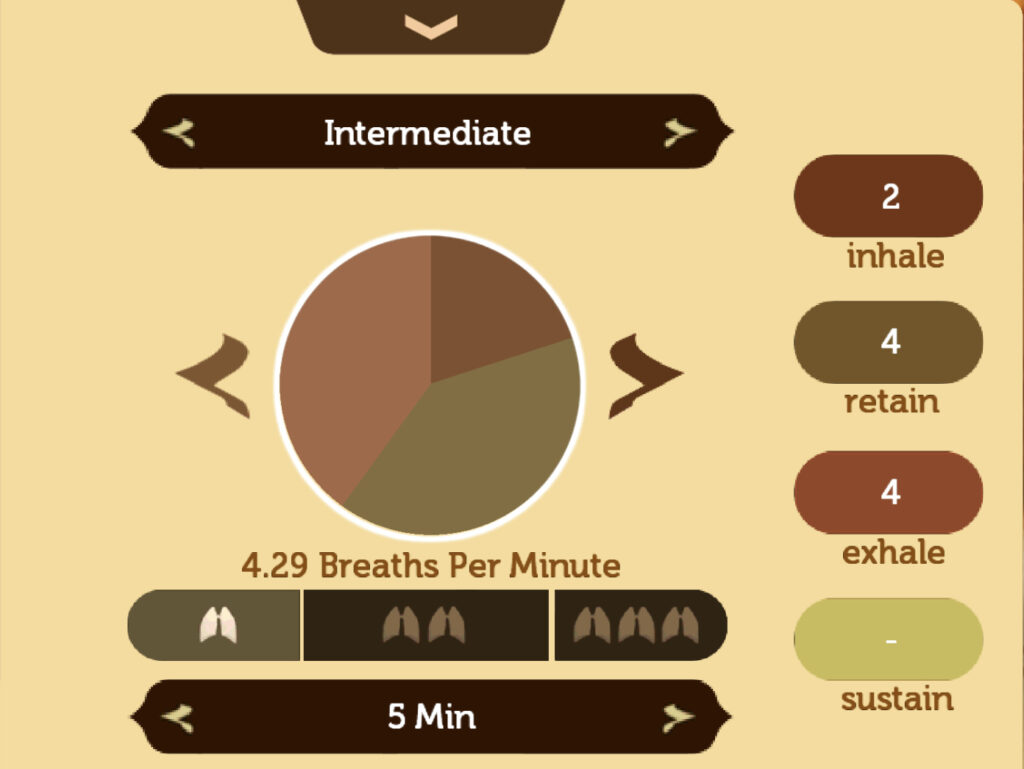
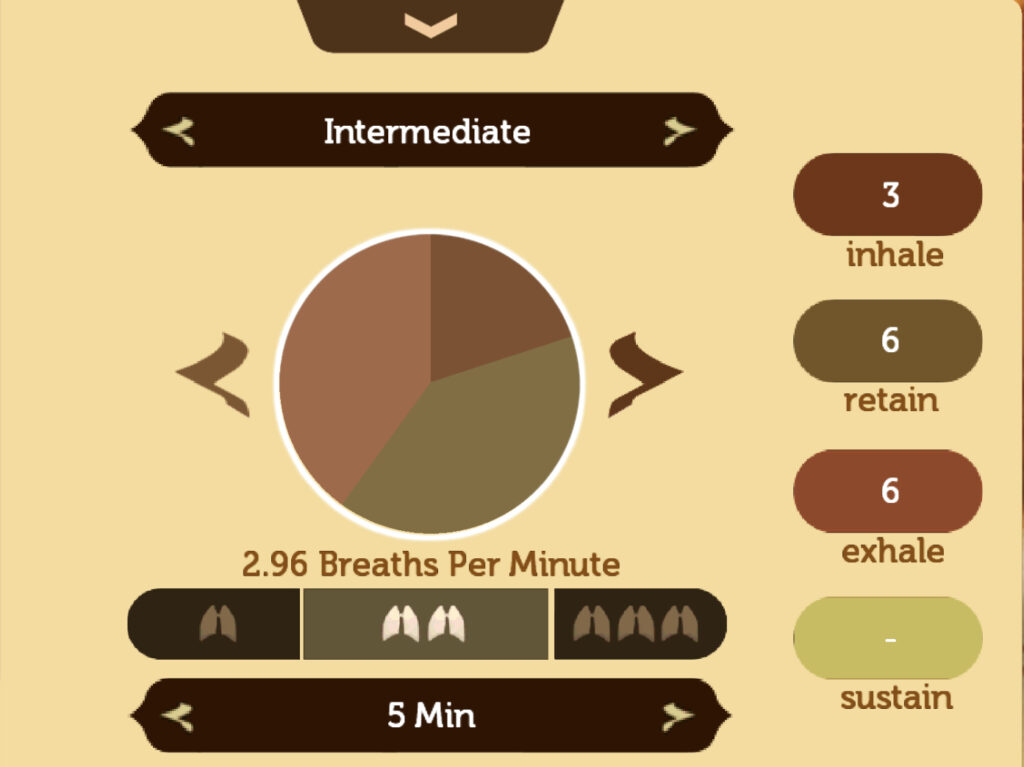
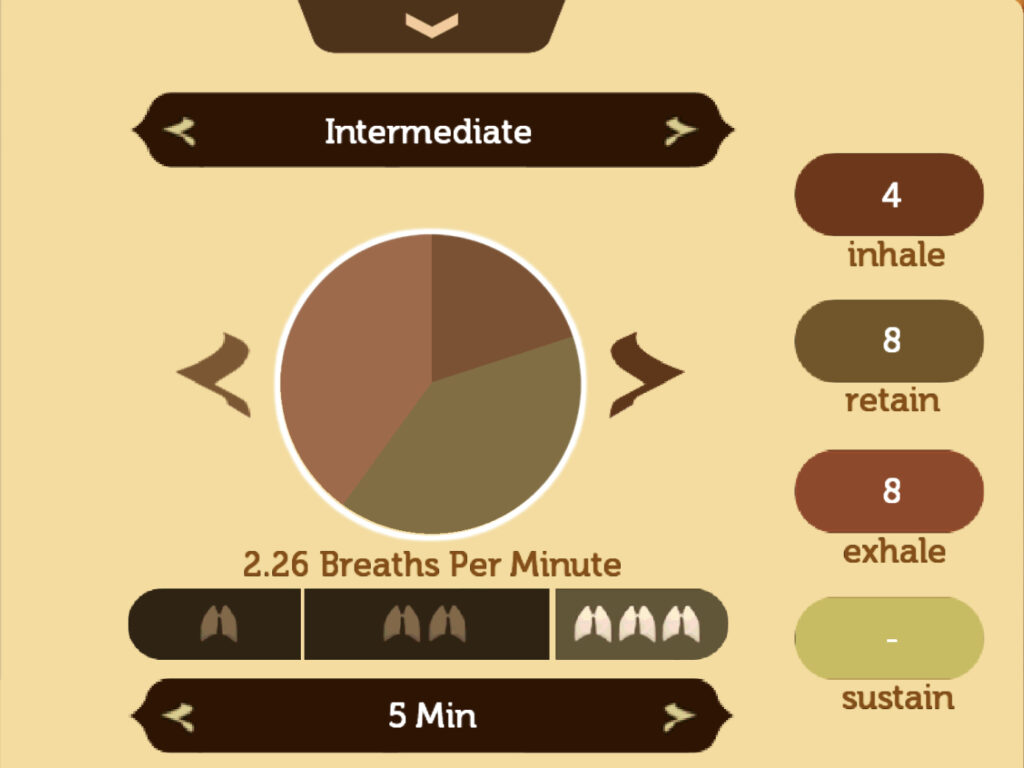
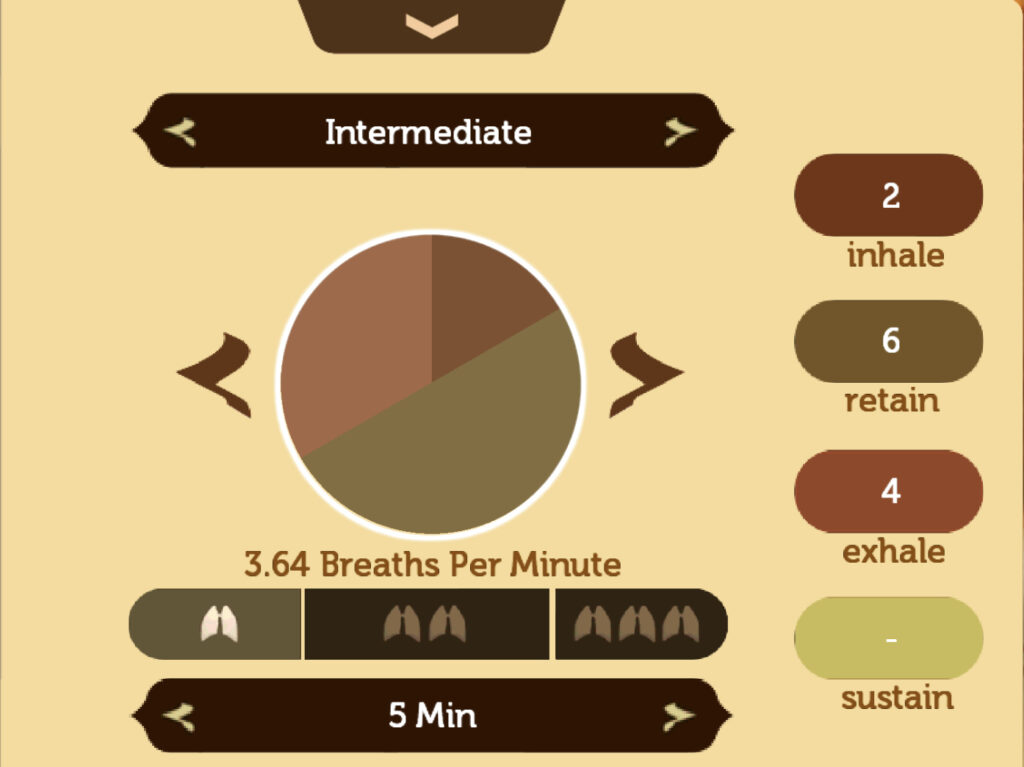
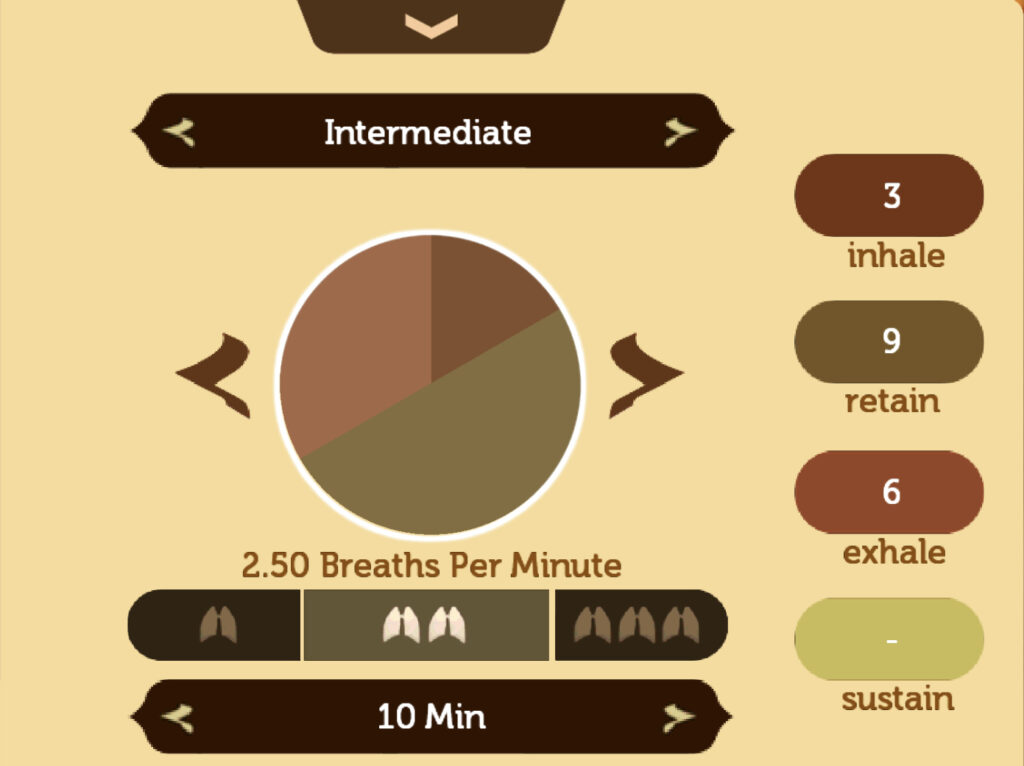
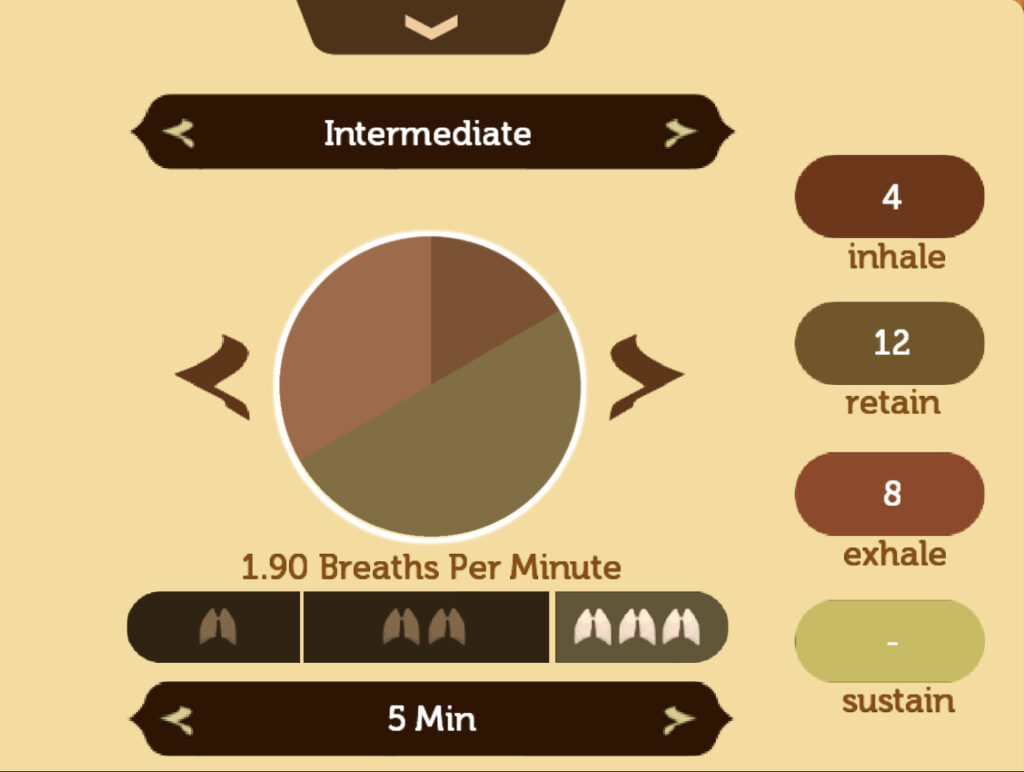
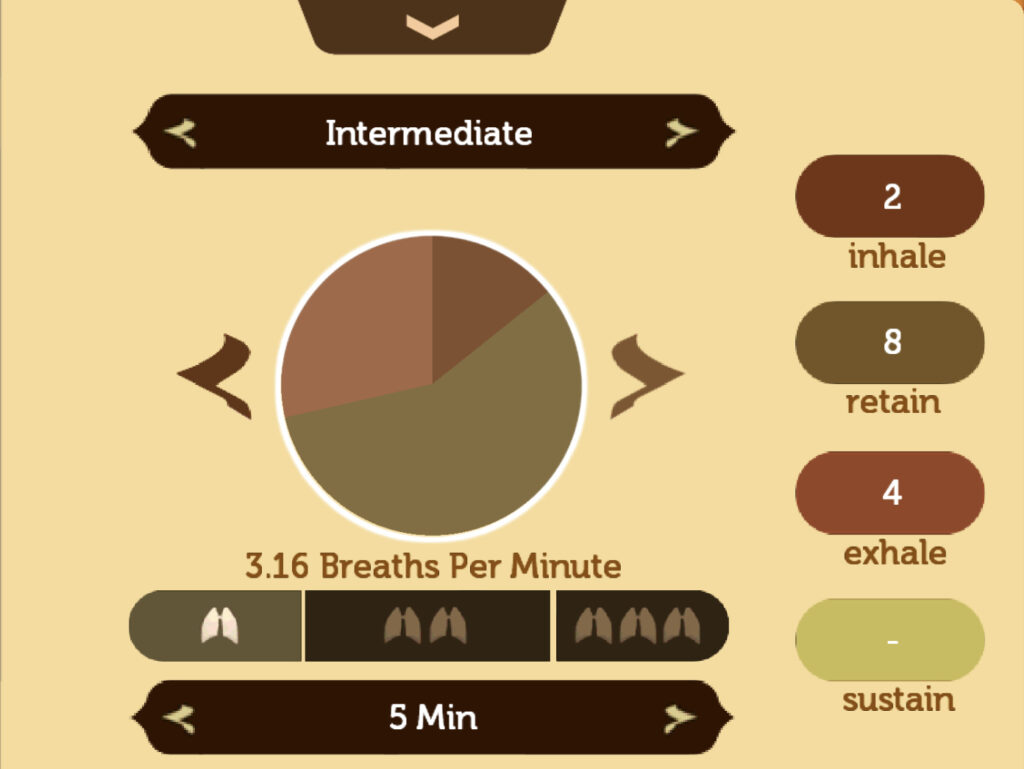
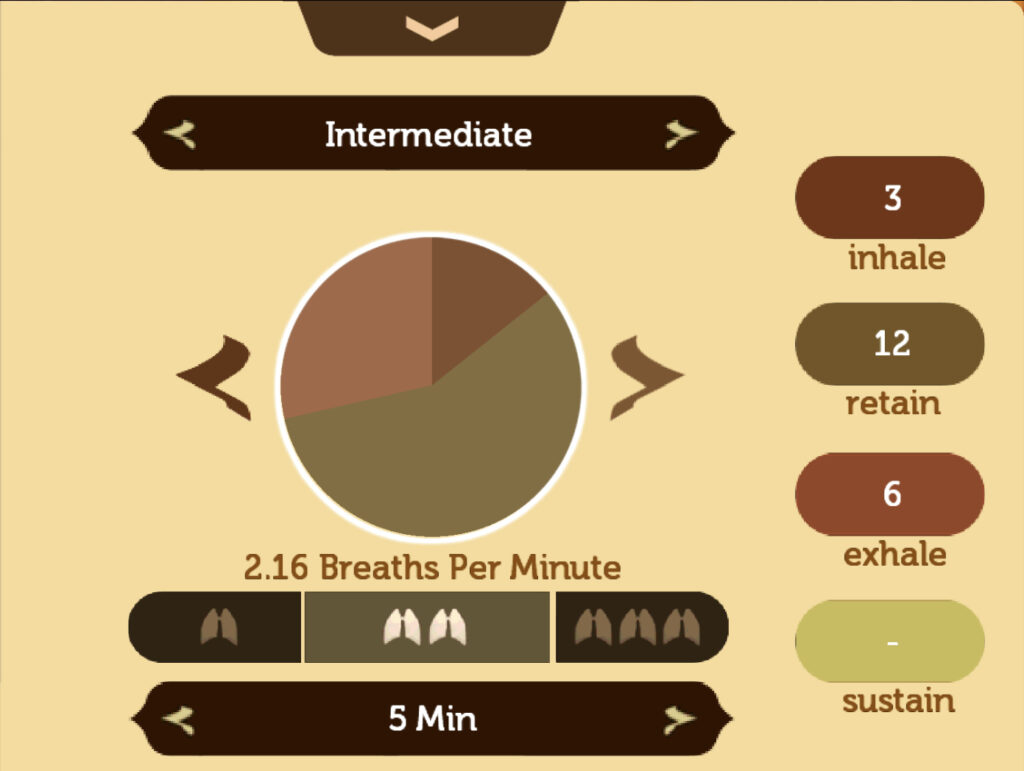
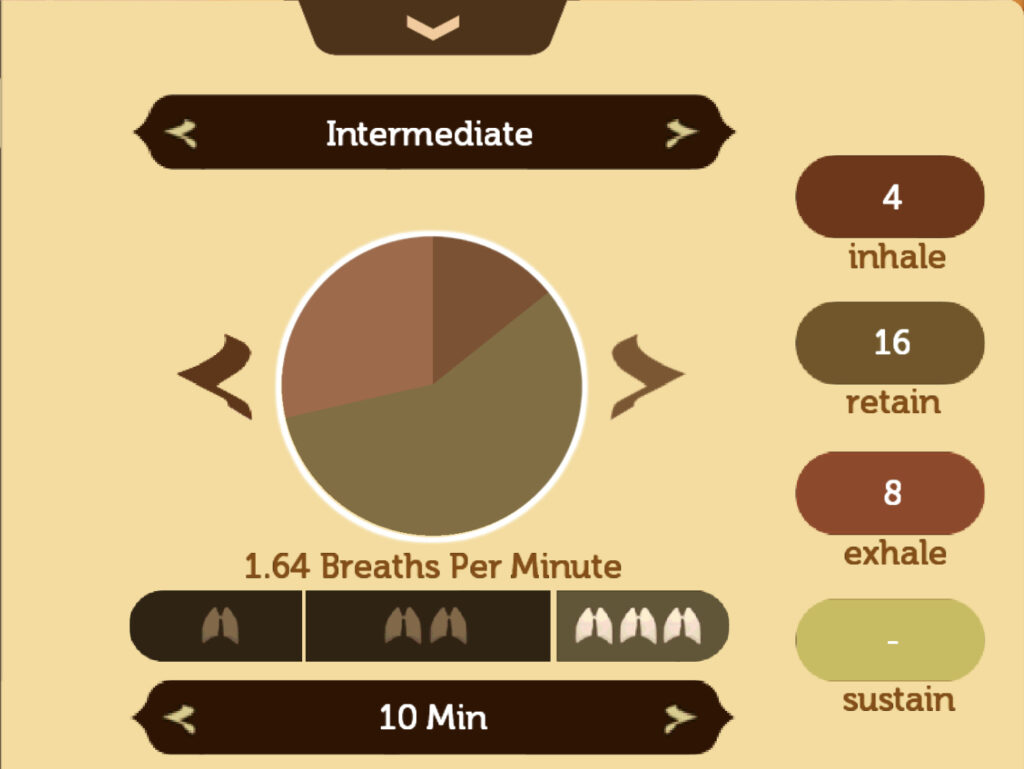
Pranayama is the science and art of breathing. Variations of breath control have been practiced in many spiritual traditions from the beginning of time. Below are 21 video recordings that will help you to practice breathing consciously. Please follow these videos in the order they are in (unless you are already advanced in pranayama breathing). The videos are set to loop endlessly until you stop the video. You can download the video to your computer, or phone, and follow them by setting a timer for yourself. Fifteen minutes a day is all you need to advance in this practice. Each video has a picture place holder that shows you the seconds you will be inhaling, retaining the breath, exhaling, and sustaining the exhale. In the beginner breathing patterns, you will be focusing on the inhale and exhale. The place holder also shows you how many breaths per minute you will be doing. As you advance through the beginner breathing patterns, you will gradually add retention of breath to this pattern. Do not struggle or become tight when holding your breath. During the advanced sustained breath, it is best to close your nostrils. The proper way to do this is by placing your thumb on your right nostril and placing your ring finger and pinky finger on the left nostril. Curl the pointer and middle fingers into your hand. Sit comfortably in a chair or crossed-legged on a mat. Your back should be straight, but not stiff. Be comfortable enough that your body is not in pain, but not so comfortable that you start to become drowsy. If you feel pain, try to get into a more relaxed position. If you are drowsy, straighten up your spine a little. The breath is coming through your nose, so gently close your mouth, put the tip of the tongue to the root of the top teeth, and relax your jaw muscles. As you inhale, first push out your upper abdomen and then expand your chest. As you exhale, first pull in your upper abdomen to help empty the base of your lungs and then allow your chest to collapse. This is known as diaphragmatic breathing. When you get to the advanced breathing, you will learn how to apply the three bandhas (locks) to your practice. Advance slowly through the levels. Don’t move too quickly. Pranayama is a very powerful breathing practice that helps to balance the ph of the body. It calms the mind and frees up a lot of internal energy.
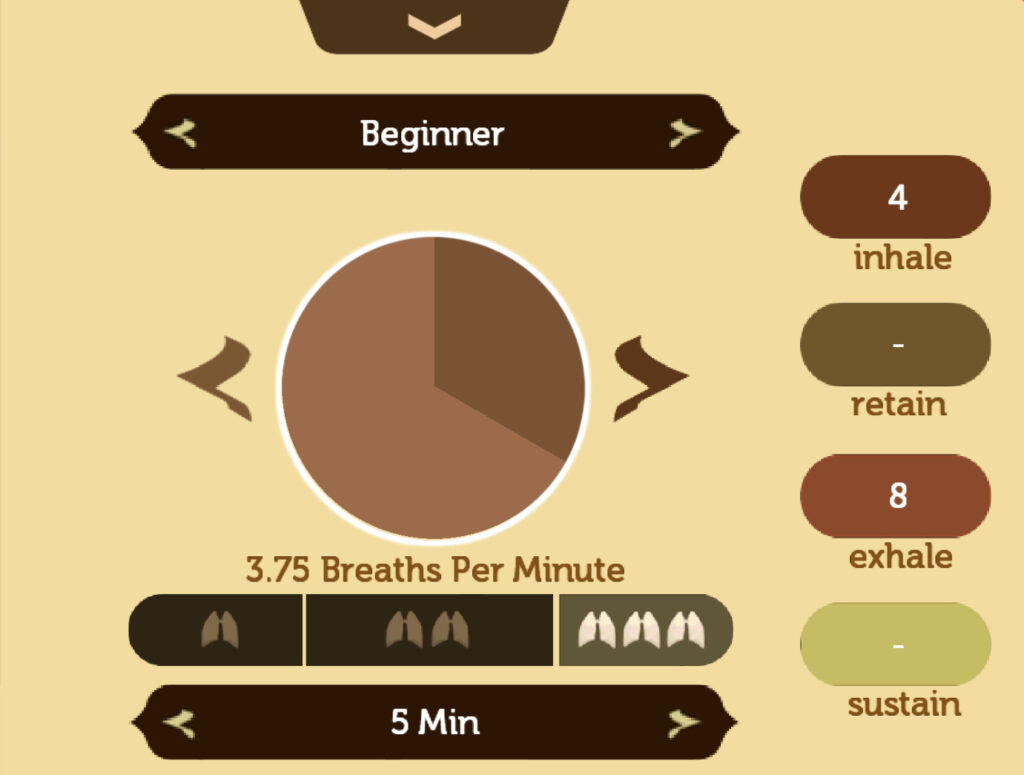
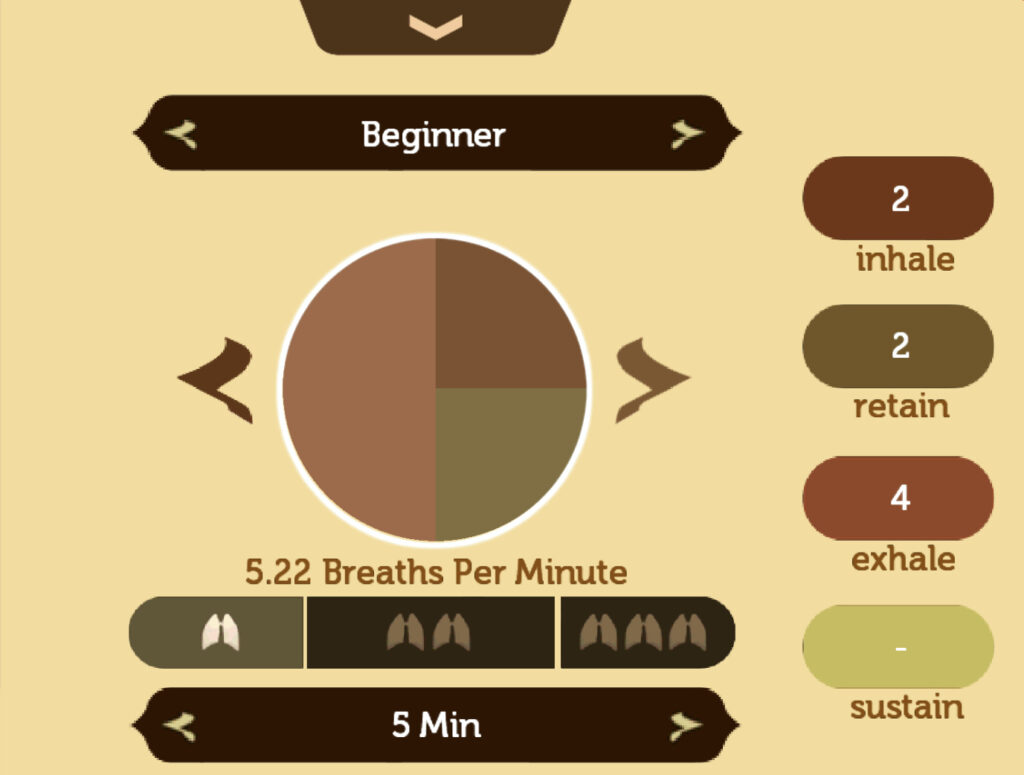
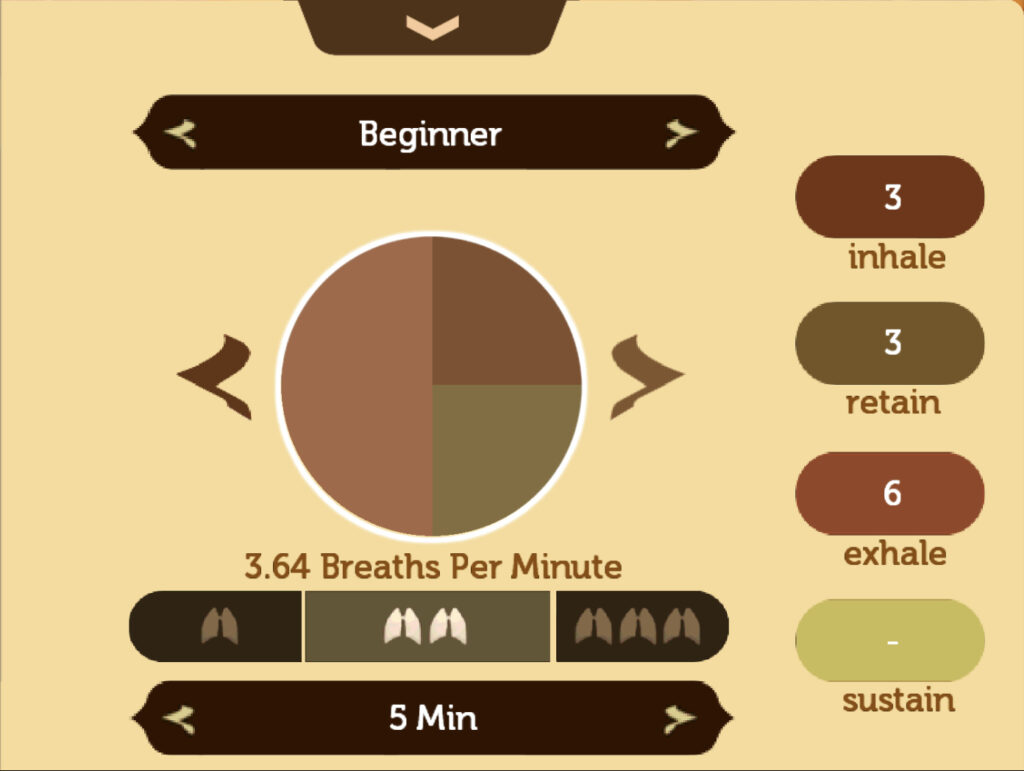
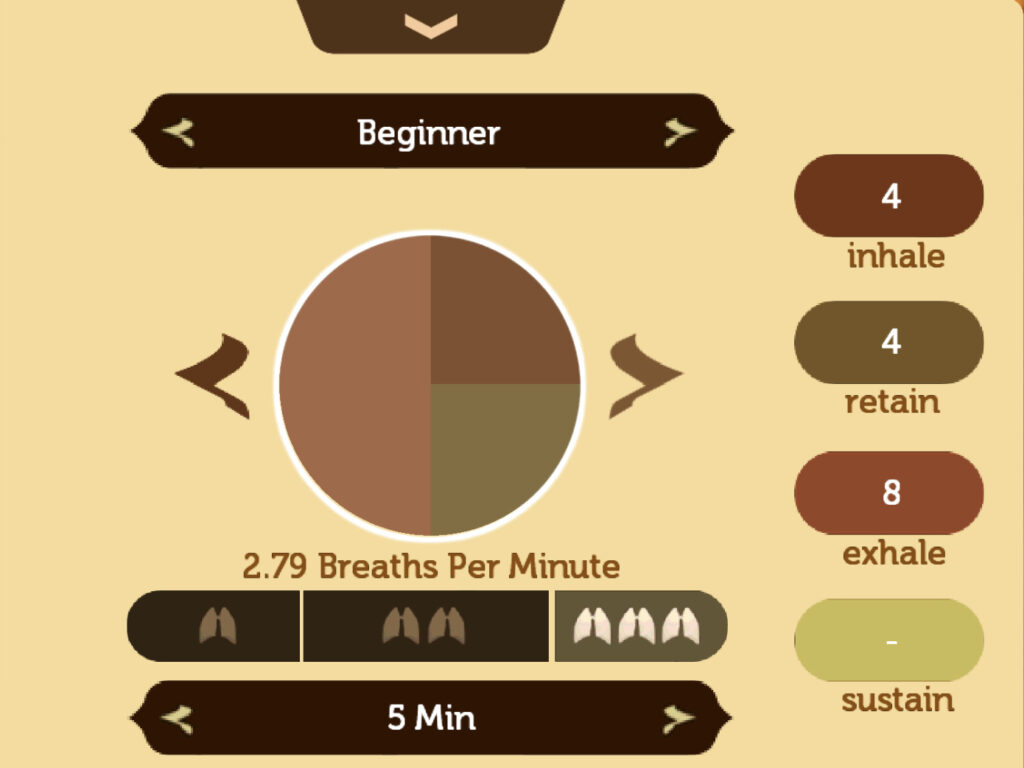
With the advanced level, apply the three bandhas to your routine. Mula bandha is the contracting of the perineum muscles at the base of the torso. These are the same muscles you contract when stopping the flow of urine. Mula bandha can be practiced while holding your breath. Uddiyana bandha is the contraction of the stomach. It is much easier to perform while doing the mula bandha. When doing uddiyana bandha to the maximum extent possible, the stomach appears as if it has collapsed inside of the body. It is not necessary to do it so strongly though. A mild uddiyana bandha will work just fine. Jalandhara bandha is performed when holding the breath. Push your neck forward and then slowly bend forward as you touch your chin to your chest.